

The wrong way to frame your fundraise
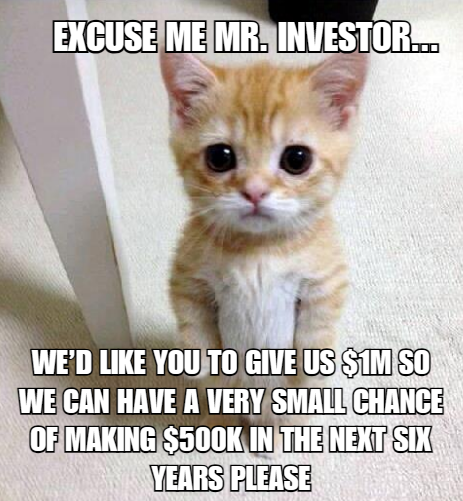
I often see words like “We’re raising $500k to reach $1M ARR in the next 12 months”.
Don’t say that.
You can’t sell investors on what they do for you. You can only sell them on what you do for them.
They don’t invest because they unlock revenue for you. They invest because you unlock a return on investment for them.
Which seems obvious, but some small mistakes can really screw up this part of the story.
So here are some do’s and don’ts to help you avoid those mistakes:
Don’t:
Tie your fundraise to revenue milestones it unlocks
Only talk about plans that require your round to close
Put a TIMELINE on plans that require your round to close
Get hyper-specific about what you’re going to spend the money on
These things destroy positioning. There’s no urgency, because nothing appears to move without the investor. They don’t fear your valuation going up any time soon without them.
They’ll just keep saying “come back when you have traction” or “come back when you have a lead investor”.
Do:
Talk about value-driving milestones you will hit without more funding
Emphasize the ones you can hit in the next 3-6 months
Put a timeline on them to drive urgency
Keep your use of funds details high-level so the focus is on investors’ opportunity, not yours
Investors should be thinking “These guys are cruising. If they execute what they say they will, their valuation will go up. So this might be the best deal I’ll get.”
Not every company can honestly say they don’t need more funding to grow. But most companies could grow or build momentum without it. It would just take longer.
Believe it or not, that’s the story you should tell. Try to ground everything in the no-fundraising story, especially for short-term milestones.
You’ll sound more credible, you’ll gain confidence in your business, and you’ll be way more likely to close an investor.
Best,
Nathan