

What can you trust AI with?
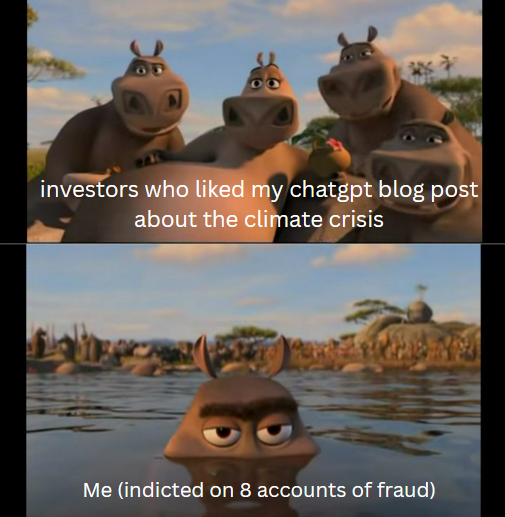
It’s become almost impossible to tell what was written by a human and what wasn’t. But for some forms of written content, you just know.
If you’re a recruiter reviewing job applications, you know who wrote their cover letter with ChatGPT. If you’re a teacher, you know who used it in their essays. And if you’re a founder, you can spot a ChatGPT website all day.
So here’s the million-dollar question: are investors the same with your materials?
The fact of the matter is this - if you’re not adopting AI where you responsibly can, you will be behind. So let’s look at each investor-facing item founders have to make, and see where AI is/isn’t acceptable.
Outreach
We’ve likely all come across an outreach automation tool and thought “This has to be too good to be true.” Then there are those of us who went for it, and realized it can be insanely valuable.
If used right, automated outreach can do the equivalent of 60+ hours/week of work for you without you lifting a finger. That is, of course, after you set it up.
And that’s the important part. Sucky AI outreach is the result of lazy setup and too much trust. Don’t let the AI write your message. You can trust the good AIs with a short personalized opener, but from there it’s all you. The main value here is automation - not enhancing your messaging.
You can also test it with a small lead list, and grow from there as you fine-tune it.
But all in all, we do recommend you automate outreach responsibly. At the end of the day, messages sent by AI are typically at worst 80% as good and at best twice as good. And it’s better to reach 1000 people with an 80% as good message than 50 with a marginally better one.
This wasn’t supposed to be an ad, but it would be a disservice not to mention Robert is the co-founder of a company that automates investor outreach called Weraise.
Deck
This is a dicey one. And I’ll keep it simple - the best use of AI for your deck is to organize information. Not to figure out your story or even your copy.
For example, let’s say you’re following a typical structure of problem -> solution -> product -> market -> traction -> team. You can tell that to ChatGPT, give it all info about your company, then ask it to draft slides.
It will write crappy copy, but it will likely put things in the right place to give you a starting point for content.
Executive Summary/Investment Memo
This is a massively risky place to use AI. Its proclivity to use big buzzwords and overly dramatize things can lead to materials that say a lot without saying anything. I’ve seen this and it’s ugly.
You can tell ChatGPT not to do those things, but there are some flaws it just can’t really fight. You’re better off drafting things yourself and simply working with AI on a feedback basis.
Website & Ads
For anything public-facing, boldness and authenticity matter. And when the AI writing your content is trained to write the average of all content ever written, the result tends not to feel especially bold or authentic.
So we recommend founding teams set aside real time to thoughtfully write their website and ad copy - there really is no substitute.
Media
This one is personal to me - DO NOT let AI write your organic content. You’re better off hiring a ghost writer with actual writing skills. I’ve seen too many Linkedin posts and blog posts so horribly written, and it’s painfully obvious that AI is the reason.
It’s just like websites - organic content needs to be bold and authentic. And in this case, not salesy. AI tends to fail miserably at all of those aspects.
It’s also hard to learn about your audience and what hits for them if you’re not the one typing every word. Organic content is very difficult to get right, and that’s why at every bigger company, there’s at least one human fully dedicated to it.
This was a longer one today so I hope we covered all the bases. If you disagree or are wondering what our thoughts are on another use case for AI, let me know.
Best,
Nathan Bucci